Frequently asked questions
01What is transit trade?
Transit trade means buying goods from a foreign country and selling them to another country without importing them into Türkiye. The goods travel directly from the country of origin to the destination country, while the purchase and sale are handled by the company in Türkiye.
02Do the goods pass through Türkiye?
No. In transit trade the goods do not enter the Turkish customs territory. The cargo is carried directly from the port or border of loading to the destination.
03Which products can you supply?
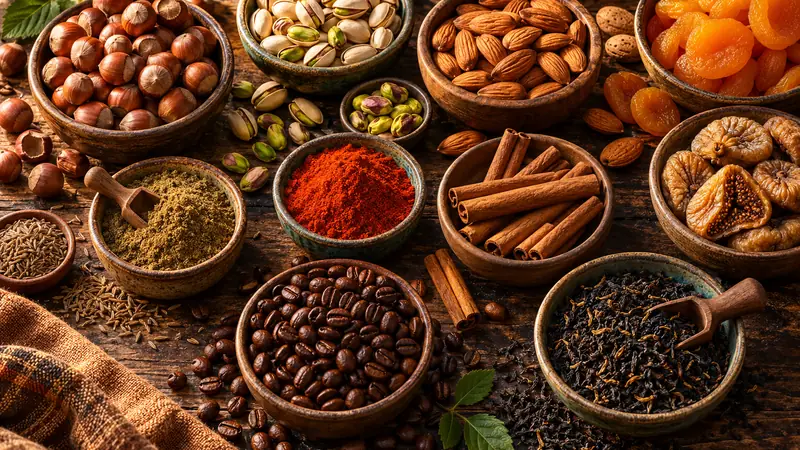
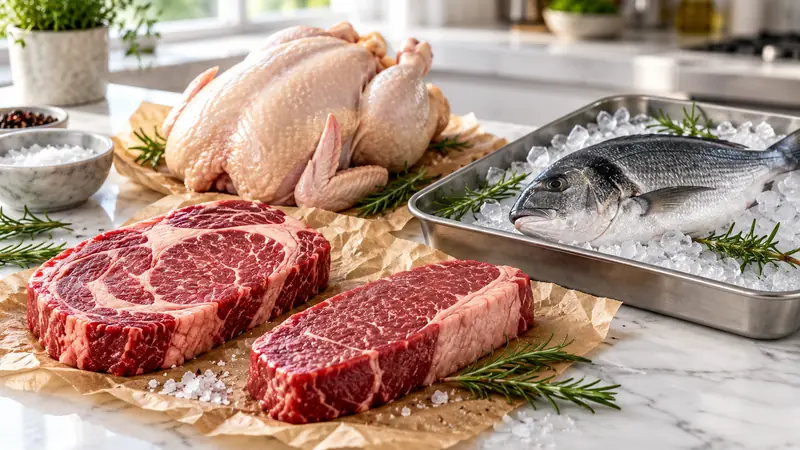
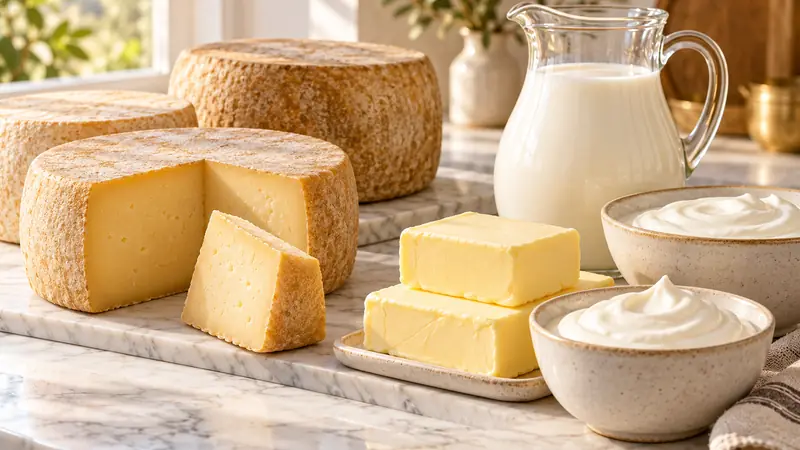
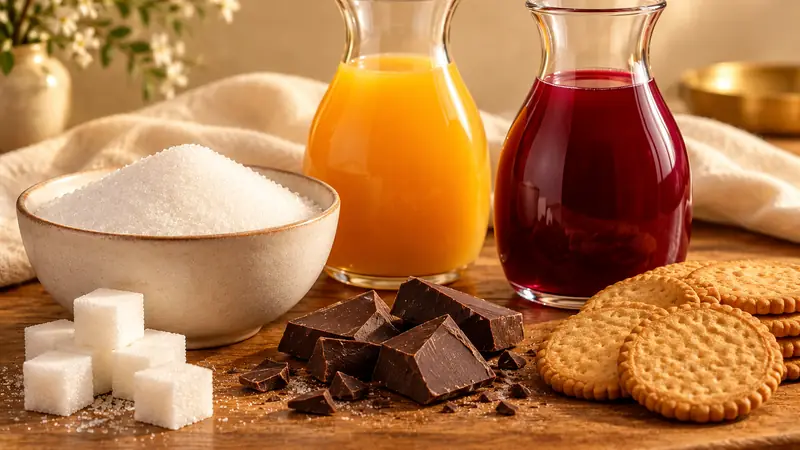
Grains and flour, pulses, vegetable oils, fresh fruit and vegetables, nuts and spices, meat and seafood, dairy products, sugar and packaged food, animal feed, agricultural machinery, seeds and fertilizers, and food processing equipment. You are also welcome to ask about products not on the list.
04What information do you need for a quote?
The product and quality, quantity, packaging, port or city of destination, the required delivery terms and the loading period. If you also tell us your target price and regular purchase plan, we can prepare a sharper offer.
05How do you assure quality?
We write the quality values into the contract in numbers. At loading, an independent inspection company draws samples and measures quantity and quality, and its report is added to the document set.
06Which delivery terms do you work with?
Depending on the deal, the Incoterms 2020 rules we use most are FOB, CFR, CIF, FCA, CPT and DAP. CFR and CIF are common for bulk grain, FCA and CPT for containerized goods.
07How is payment made?
Payment can be structured as a letter of credit (L/C), cash against documents (CAD) or advance and partial advance payment (T/T). The method is chosen according to the size of the deal and the relationship between the parties.
08Is there a minimum order quantity?
We have no fixed minimum. Transit trade is usually most efficient at container, reefer container or bulk vessel lot sizes. For smaller quantities we will work out a suitable shipping route with you.
09How do you handle products that need a cold chain?
For meat, seafood, dairy and fresh produce, we set the reefer container's temperature and humidity according to the product and require records to be kept during loading and throughout the voyage.
10How do you deal with sanctions and food safety rules?
For every transaction we screen the parties against international sanctions lists and check the destination country's rules, such as import permits, approved establishments and residue limits. We do not carry out transactions that fail these checks.
11I am a producer. Can you sell my product?
Yes. Tell us your product, capacity and price. We offer it to our buyers in suitable markets and make the sale by buying and selling in our own name.
12In which languages can we communicate?
You can write to us in the language you prefer. Offers, contracts and shipping documents are usually prepared in English.
Write to us
Which product, and where to?
Tell us the product you want to buy or sell, the quantity and the port of destination. We will come back with price and loading options.