


- FOB
- CFR
- CIF
- FCA
- CPT
- DAP
How does transit trade work?
In transit trade, goods are bought from one country and sold to a buyer in a third country without entering Türkiye. Buying and selling are done from Istanbul, while the cargo travels directly from the port of loading to the port of destination.
Definition
Two contracts, one shipment.
GRANORA signs a purchase contract with the producer or supplier and a separate sales contract with the buyer. The goods are loaded in the country of origin and shipped directly to the destination country.
In Türkiye, transit trade is carried out within the framework of export legislation and foreign exchange regulations. Tracking the purchase and sale proceeds through banking channels is part of this structure.
In grain, oilseed and vegetable oil trading, the parties often refer to GAFTA or FOSFA standard contract terms. We agree on the appropriate contract framework together, based on the product and the parties' preferences.
Process
Eight steps of a transit transaction
- 01
Inquiry and specification
We take the product, quality values, quantity, packaging, port of destination and the required delivery terms.
- 02
Supplier selection
Suitable producers are identified, and offers are compared on quality, shipment period and price.
- 03
Sales offer
The buyer receives an offer stating the delivery terms (Incoterms), payment method and shipment period.
- 04
Contracts
Purchase and sales contracts are signed, and payment by letter of credit, cash against documents or advance payment is set up on both sides.
- 05
Preparation and sampling
Preparation of the lot is monitored and, where needed, pre-shipment samples are drawn and analyzed.
- 06
Loading and inspection
The cargo is loaded onto a bulk vessel, into containers or reefer equipment, and independent inspection records quantity and quality.
- 07
Voyage
While the cargo is under way, the arrival date is tracked, the buyer is kept regularly informed and delivery is prepared.
- 08
Delivery and closing
The goods reach the buyer, payments are completed and the transaction file is closed.
Transport modes
The right equipment for the product
Bulk vessel
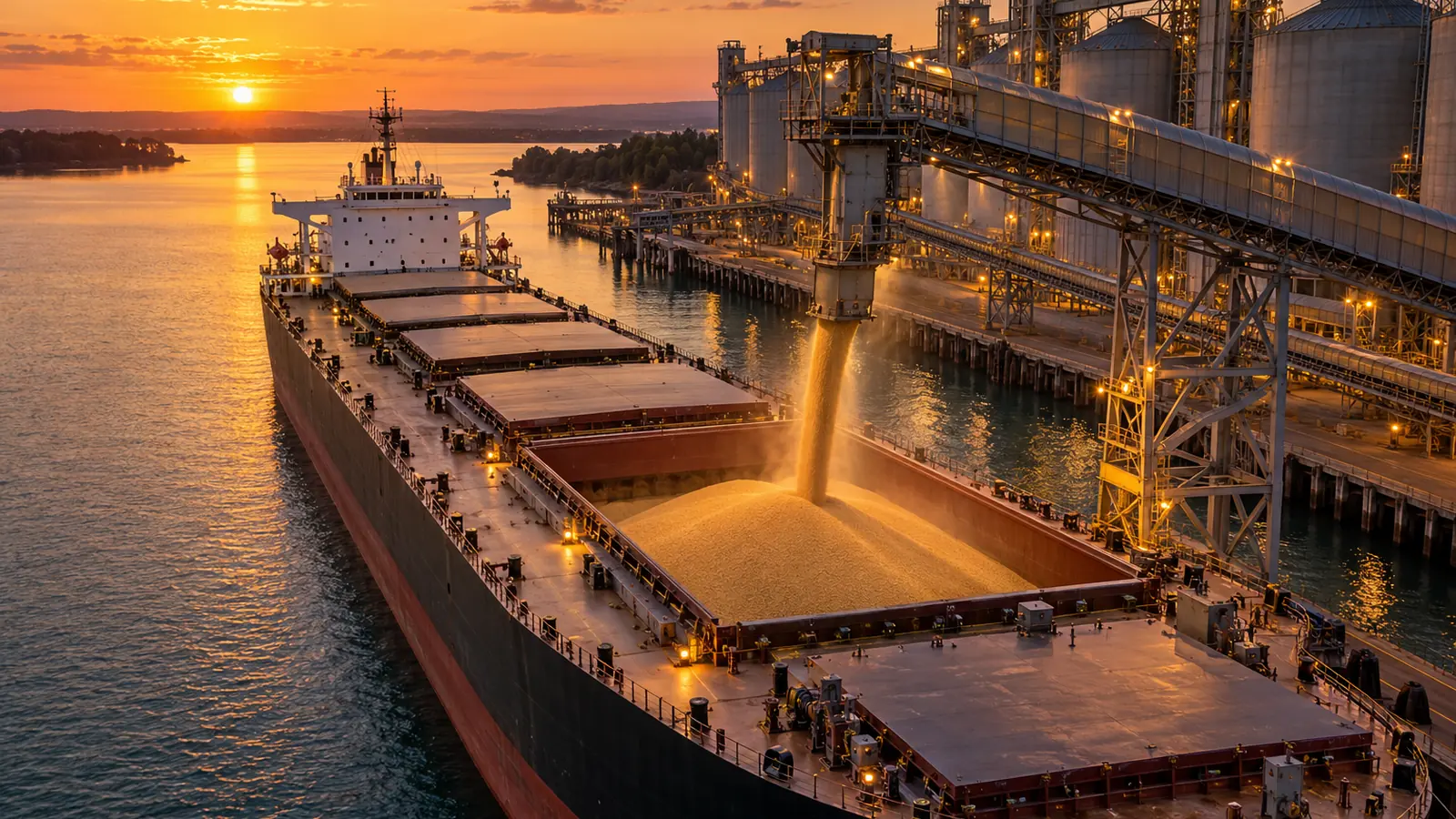
For large lots such as grains, oilseeds, sugar and oilseed meal.
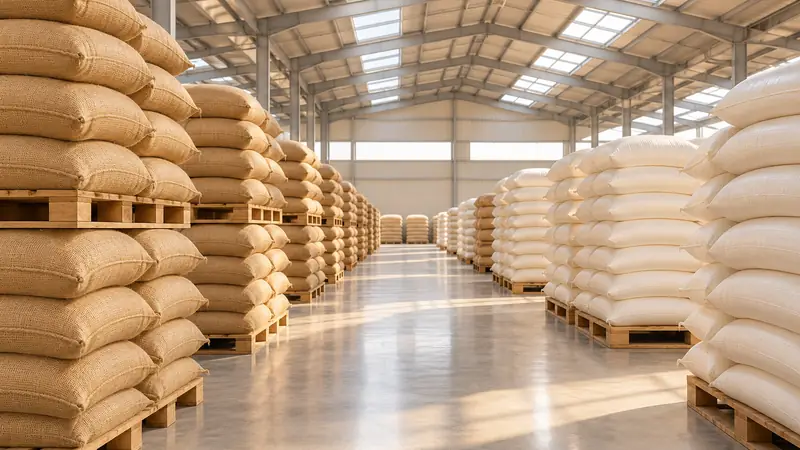
Container
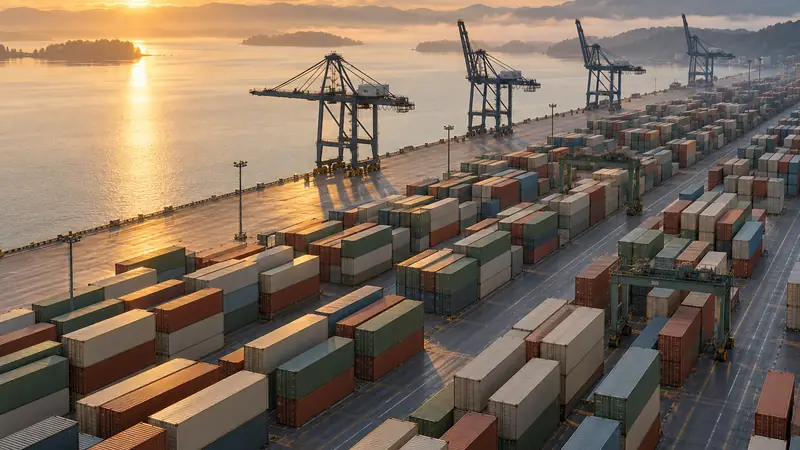
For pulses, rice, nuts and packaged food, in bags or big bags.
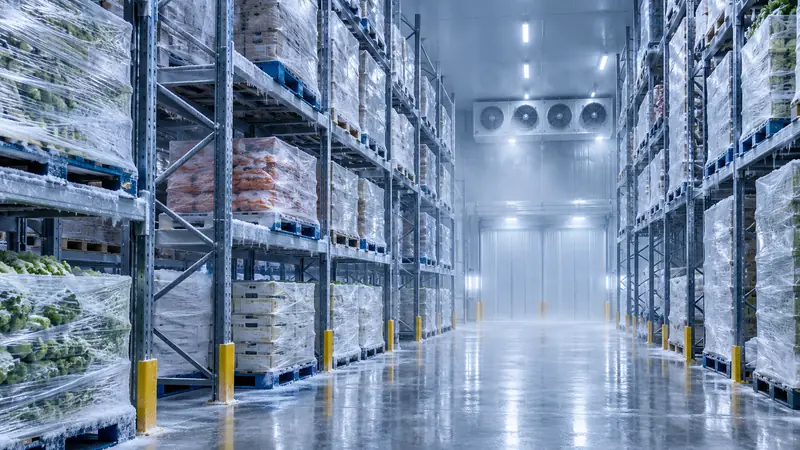
Reefer
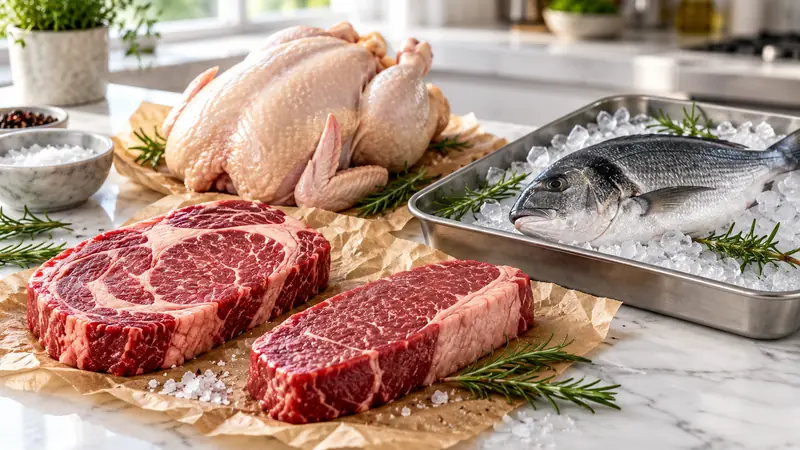
An unbroken cold chain for meat, seafood, dairy and fresh produce.
Flexitank and tank
For liquid products such as vegetable oil and fruit juice concentrate.
Delivery terms
The Incoterms 2020 rules we use most
- FOBFree On Board
- The seller loads the goods onto the buyer's vessel at the port of loading. Freight and insurance are for the buyer's account.
- CFRCost and Freight
- The seller pays freight to the port of destination; risk passes once the goods are loaded on board. Common for bulk grain.
- CIFCost, Insurance and Freight
- As CFR, with the seller also arranging marine insurance.
- FCAFree Carrier
- The seller hands the goods to the buyer's carrier at the named place. Common for container and road transport.
- CPTCarriage Paid To
- The seller pays carriage to the named destination; risk passes on handover to the first carrier.
- DAPDelivered at Place
- The seller delivers the goods at the named destination, ready for unloading. Import duties are for the buyer's account.
Payment structures
Payment methods chosen to suit the deal
Letter of credit (L/C)
The bank undertakes to pay, subject to documents complying with the credit terms. Preferred for large lots and first transactions.
Cash against documents (CAD)
The documents are released to the buyer through the bank against payment.
Advance and partial advance (T/T)
A deposit on order confirmation, with the balance paid before loading or against documents.
Who it suits
- Importers who want to choose between different origins for the same product
- Regular raw material buyers such as flour mills, feed mills and food manufacturers
- Distributors who want to buy several products under one contract and from one counterparty
- Producers and exporters who want to sell their products in new markets
Write to us
Which product, and where to?
Tell us the product you want to buy or sell, the quantity and the port of destination. We will come back with price and loading options.